What Schools Can Learn from Games: Fun Meets Function
01 Aug 2025 · Thought Bulb
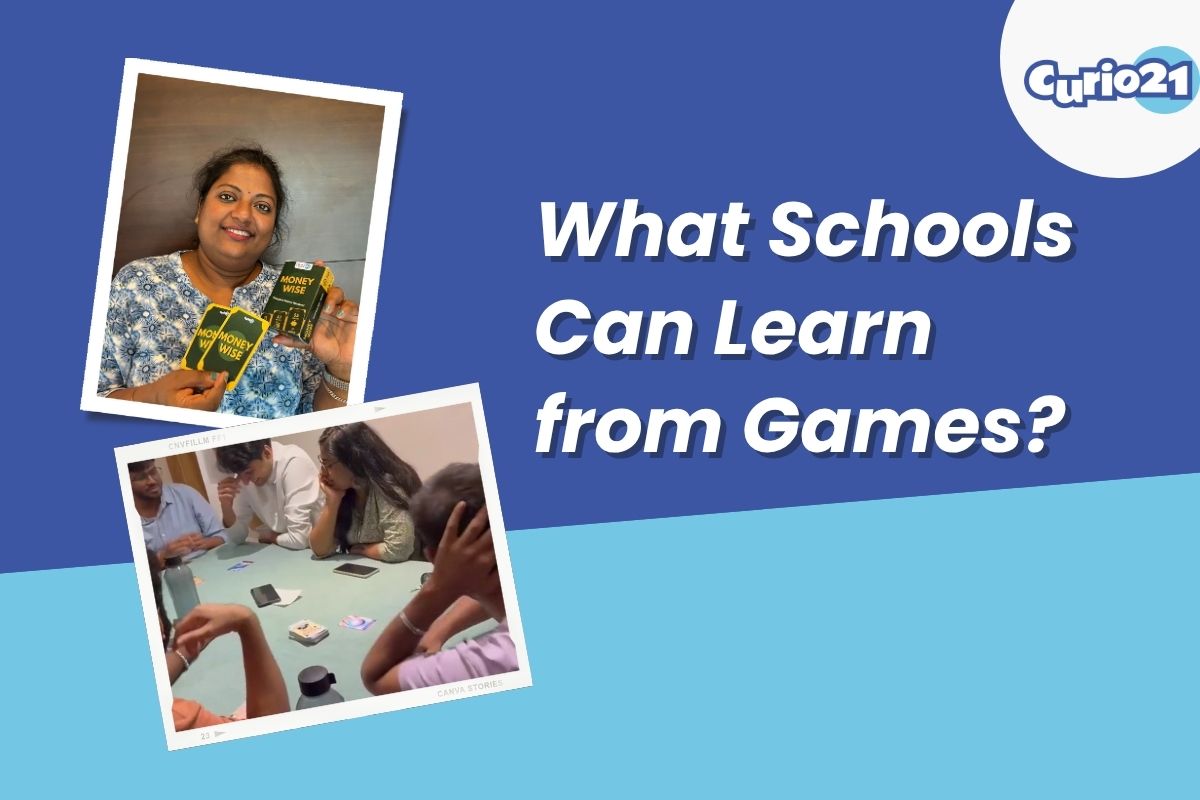
In today’s classrooms, attention is a scarce resource. Chalkboards and textbooks alone aren’t enough to hold a student’s interest—especially in a world full of YouTube, Instagram, and games that grab attention in seconds. To keep up, educators need to rethink how students learn. One approach that's proving surprisingly effective? Gamification in education.
Why Games Work in Classrooms
Games aren’t just for entertainment. When used thoughtfully, they become powerful learning tools. They promote active participation, instant feedback, and even collaboration—qualities every good classroom strives for.
When students are immersed in gameplay, they’re not just listening or memorizing—they’re doing. That process of trial, error, and discovery is at the heart of real learning.
Let’s explore how games can transform key educational areas—and why schools should pay close attention.
1. Gamification in Education: The Shift from Passive to Active Learning
Gamification doesn’t mean turning every lesson into a video game. It means borrowing the best elements of games—like points, levels, choices, and challenges—and applying them to learning.
In classrooms, this can look like:
-
Turning a quiz into a competitive team activity
-
Rewarding progress in subjects like math or reading with badges or points
-
Using financial education games to teach real-world skills
These techniques keep students engaged because they mirror the way young brains already process information outside school. They also add an element of fun that increases motivation and memory retention.
2. Storytelling in Education: Making Lessons Stick
We remember stories far more than facts. That’s why storytelling in education is gaining momentum. Stories help students make emotional connections with subjects and understand complex topics more intuitively.
This is especially true in subjects like:
-
History (learning through character-driven narratives)
-
Science (exploring the story of a discovery)
-
Financial literacy (exploring decisions and consequences through scenarios)
And it doesn’t have to stop with teachers telling stories. When students create stories themselves—through writing, speaking, or even games—they build communication skills, empathy, and critical thinking.
3. Why Financial Literacy Needs a Creative Approach
Teaching students about money is no longer optional. With rising costs, digital wallets, and student debt looming in their future, kids need to understand how to manage their finances from an early age.
But traditional lectures on saving and budgeting often go over their heads—or worse, bore them.
That’s where financial education games like Money Wise come in. These games turn complex money lessons into simple, interactive choices. Students learn how to budget, invest, avoid debt, and build an emergency fund—all while playing with friends or classmates.
Through gameplay, they see how small decisions lead to big outcomes. And because the experience is fun and repeatable, the lessons stick.
4. Interactive Tools That Inspire Creative Thinking
It’s not just about memorizing facts. Education today is about preparing students for the unknown—careers and challenges that haven’t even been invented yet. That’s why creativity is a must-have skill.
Games like Story Pop are excellent interactive storytelling tools that push students to think on their feet. Players are given quirky characters, situations, and objects, and must weave them into a story within seconds.
This builds:
-
Confidence in public speaking
-
Out-of-the-box thinking
-
Listening and narrative-building skills
It’s perfect for English classrooms, drama clubs, or any setting where imagination and communication are key.
Final Thoughts: Schools Need to Play More
The most effective classrooms of the future will blend structure with spontaneity—facts with fun. Gamification in education, storytelling in education, and financial education games offer simple, scalable ways to make learning more impactful.
By integrating tools like Money Wise and Story Pop, schools don’t just add another activity to the day—they open up new ways of thinking, connecting, and preparing for life beyond school.
Want to Try These in Your School or Home?
💡 Money Wise – Teach teens and tweens the art of saving, investing, and budgeting through a fast-paced card game.
🃏 Story Pop – Spark storytelling skills and imagination with every card you flip. Great for classrooms, drama clubs, or family game nights.